14 October 2026
How to Find Hidden Moisture Before It Becomes a Mold Problem
Presented by @thefindhiddenmoistureedge
You can clean visible mold off a wall and think the job is done. But the real problem often sits behind the paint, under the flooring, or inside a wall cavity where you cannot see it. By the time you smell mold or feel dampness in the air, moisture has likely been working its way through the structure for weeks or months. Knowing how to find hidden moisture early is the difference between a quick fix and a full-scale mold remediation project that involves tearing out drywall and treating wooden framing.
I have worked on properties across Detroit where the homeowner had no idea there was a moisture problem until a contractor opened up a wall and found black mold colonies spreading inside the insulation. In one case, a small roof leak had been dripping into the attic for three months. The homeowner thought they had fixed the leak, but the moisture had already soaked into the ceiling joists and started growing mold in the crawl space above the second floor. That is the kind of situation that could have been caught early with the right approach and a few simple tools.
So let's talk about the practical ways you can find hidden moisture in your own home. You do not need to be a professional inspector to spot the warning signs. But you do need to know what to look for and where to look.
Start With Your Senses
Your nose is one of the most reliable indicators. A musty smell in a basement or a closed-off room almost always points to moisture somewhere. Mold spores are microscopic, but the compounds they release as they break down materials have a distinct odor. If you walk into a room and smell damp earth or old wood, start looking for the source.
Your eyes can also pick up subtle clues. Look for paint that is bubbling or peeling, wallpaper that is lifting at the seams, or floorboards that are starting to cup at the edges. These are signs that moisture is getting into the material from behind. Stains on the ceiling often indicate a leaky pipe or a roof issue. But sometimes the stain is not visible on the surface because the water is traveling along a joist or a stud before it shows itself. That is why you need tools that go beyond sight.
Use a Moisture Meter
A moisture meter is a simple device that measures the water content in wood, drywall, or concrete. You press the pins into the surface, and it gives you a reading. If you see a reading above 20 percent in wood or above 12 percent in drywall, you likely have a moisture problem that needs attention. I keep a moisture meter in my tool bag at all times. It has saved me from guessing more times than I can count.
When you use a moisture meter, check the areas that are most vulnerable. The corners of basements, the base of walls near plumbing fixtures, and the edges of window frames are common spots. Also check behind appliances like refrigerators and washing machines. A slow leak from a supply line can saturate the subfloor without ever pooling on the surface. By the time you notice the floor feels soft, the mold has already taken hold.
Thermal Imaging Cameras Catch What Your Eyes Miss
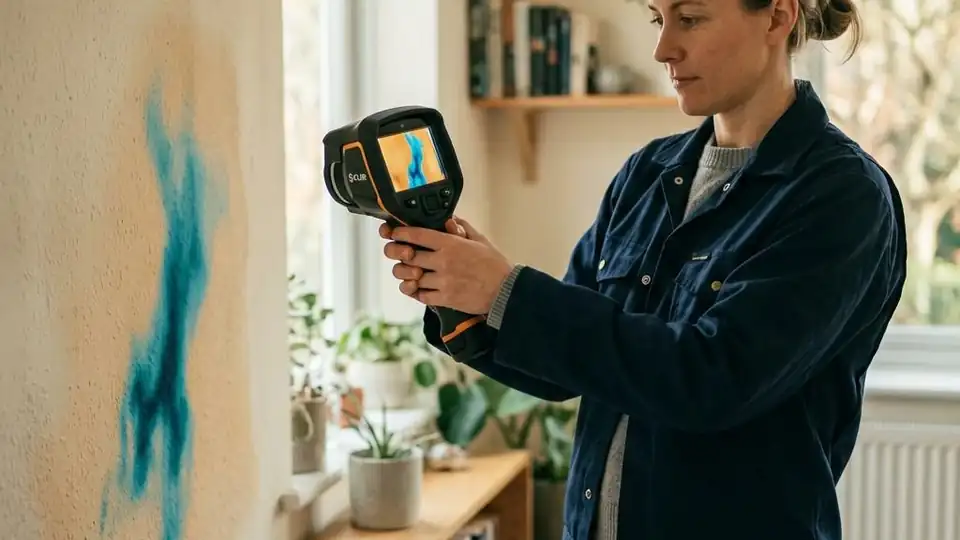
A thermal imaging camera is a step up from a moisture meter. It detects temperature differences on surfaces. When moisture is present behind a wall, it cools the surface slightly because water evaporates and pulls heat away. A thermal camera shows that cool spot as a dark or blue area on the screen. It is a powerful way to find hidden moisture without cutting into the wall.
Thermal cameras are not cheap, but you can rent one from a tool rental shop for a day. Walk through your home on a cold morning and scan the walls. Look for spots that are cooler than the surrounding surface. Those spots often indicate condensation inside the wall cavity or a leak from a pipe. Combine that with a moisture meter to confirm the reading, and you have a solid diagnosis.
The Role of Humidity and Airflow
Moisture does not only come from leaks. It also comes from the air. High humidity in a basement or a crawl space can drive moisture into wood and drywall over time. That is where a hygrometer becomes useful. A hygrometer measures relative humidity. If the humidity in your basement stays above 60 percent, you have a moisture problem even if there is no standing water.
In that situation, the solution is not just a dehumidifier. You also need to address the source of the humidity. Check for poor attic ventilation, missing vapor barriers in the crawl space, or groundwater seeping through the foundation. A dehumidifier can help manage the problem in the short term, but it is not a permanent fix. If you run a dehumidifier and the humidity stays high, you have an infiltration issue that needs structural drying or basement waterproofing.
Hidden Water Damage in Common Spots
Some areas of a house are more prone to hidden water damage than others. Here are a few places I always check first:
- Behind bathroom vanities and under sinks. Leaky pipes here often go unnoticed because the cabinet hides the moisture.
- Around the base of toilets. A loose seal can wet the flooring and the subfloor without any visible pooling.
- In the attic near vents and chimneys. Roof flashing can fail, letting water run down the inside of the wall.
- In the basement at the bottom of stairs. Water often travels along the wall before it shows up on the floor.
If you find any of these signs, do not wait. Even a small amount of moisture can support mold growth within 48 hours. Mold remediation is much easier when the problem is caught early.
Indoor Air Quality and Mold Spores
Once mold starts growing, it releases spores into the air. That affects your indoor air quality directly. People in the home may start having symptoms like headaches, stuffy noses, or itchy eyes. Those symptoms are often the first clue that something is wrong. If you or your family start feeling worse when you are at home, consider testing the air.
You can buy a home mold test kit that captures spores from the air and sends them to a lab for analysis. But the more important step is to find and fix the moisture source. A HEPA filter can help remove spores from the air after the mold is cleaned, but it will not stop the growth if the moisture is still there. The sequence matters: find hidden moisture, fix the leak or humidity problem, clean the mold, then use a HEPA filter to keep the air clean.
EPA Guidelines and Professional Help
The EPA has clear guidelines on mold remediation. They recommend fixing the moisture problem first, then cleaning or removing the moldy materials. For small areas, you can clean with detergent and water. For larger areas, or if the mold has spread into the HVAC system, you need professional help. That is especially true if the mold is in a crawl space or attic where you cannot easily access it without the right gear.
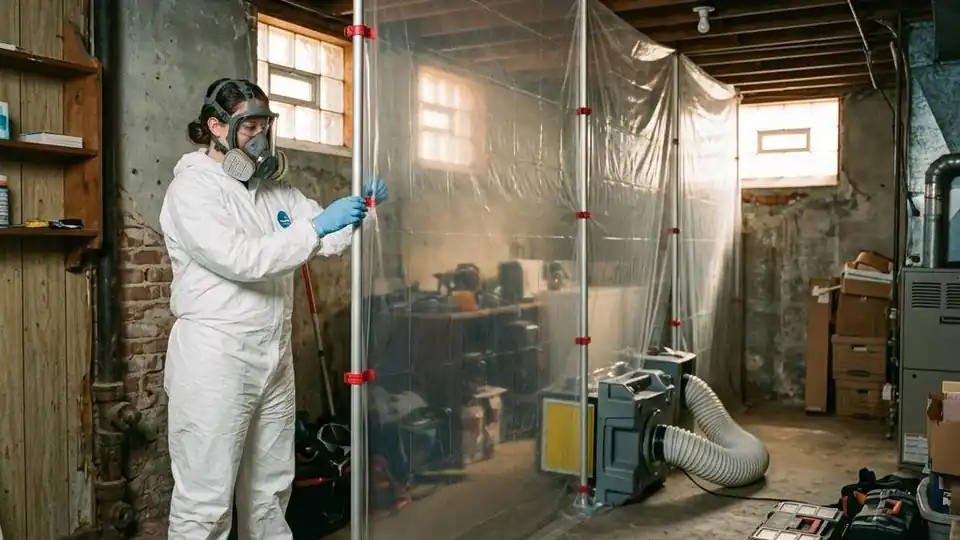
If you suspect hidden water damage behind drywall, do not open the wall without a plan. Exposing mold spores without proper containment can spread them through the house. Instead, call a professional who has the tools to find hidden moisture accurately and the experience to handle the remediation safely.
Prevention After You Find the Problem
Once you have identified the moisture source, the next step is prevention. That may mean fixing leaky pipes, improving attic ventilation, sealing the vapor barrier in the crawl space, or installing a sump pump in the basement. In older homes, especially in Detroit where many houses have fieldstone foundations, basement waterproofing is often the most effective long-term solution.

You can also take steps to control humidity throughout the home. Use dehumidifiers in the basement during the summer. Run exhaust fans in bathrooms and kitchens. Keep the humidity below 50 percent if possible. A hygrometer will tell you whether your humidity control efforts are working.
The key to all of this is catching the problem early. The earlier you find hidden moisture, the less damage it can do. And the best way to find it is to be proactive. Do not wait for a visible stain or a musty smell. Use the tools available to you - your senses, a moisture meter, a thermal imaging camera, a hygrometer - and check the vulnerable areas of your home regularly.
If you do find a problem, act quickly. Mold remediation is not something you want to put off. The longer moisture sits in a wall, the more it spreads into the framing and the flooring. By the time you notice it, the repair costs have already gone up. So make it a habit to look for hidden moisture before it finds you.